

Starting a construction business in Nigeria requires more than just skills and manpower — having the right equipment is what determines how efficient and profitable your projects will be.
Whether you’re planning to handle small residential jobs or large-scale projects, understanding the essential equipment needed to start a construction company in Nigeria will help you avoid costly mistakes and operate professionally from day one.
1. Basic Hand Tools (Must-Have for Every Site)
Every construction company begins with fundamental tools. These are used daily and are necessary regardless of your project size.
Key tools include:
- Hammers
- Measuring tape
- Spirit level
- Screwdrivers
- Spanners and wrenches
- Wheelbarrows
- Head pans (for local site work)
These tools are relatively affordable and should be your first investment.
2. Concrete Mixing Equipment
Concrete is at the core of most construction projects, so having mixing equipment is essential.
Options:
- Manual mixing (for very small jobs)
- Concrete mixer machine (recommended)
A standard concrete mixer improves speed, consistency, and reduces labor costs.
3. Excavation and Earthmoving Equipment
For site preparation, excavation equipment is crucial.
Common machines:
- Excavators
- Bulldozers
- Backhoes
If you’re just starting, buying these machines may be too expensive. Many startups in Nigeria rent instead of buying to reduce capital requirements.
4. Lifting and Material Handling Equipment
Construction involves moving heavy materials like cement, blocks, and steel.
Examples:
- Cranes (for large projects)
- Hoists
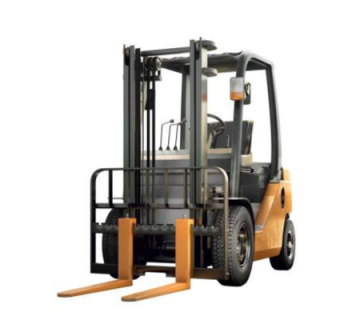
- Forklifts
For smaller projects, manual methods may suffice, but for bigger contracts, these tools become necessary.
5. Power Tools
Power tools improve speed, precision, and professionalism.
Important ones include:
- Electric drills
- Angle grinders
- Circular saws
- Welding machines
These tools are essential if you want to deliver high-quality finishes.
6. Safety Equipment (Non-Negotiable)
Safety is critical in construction, and ignoring it can lead to serious accidents and legal issues.
Essential safety gear:
- Helmets
- Safety boots
- Reflective vests
- Hand gloves
- Safety goggles
Investing in safety equipment protects your workers and builds your company’s credibility.
7. Transportation Equipment
Moving materials and workers between sites is part of daily operations.
Common options:
- Pickup trucks
- Tipper trucks
If buying a vehicle is too expensive initially, leasing is a practical alternative.
8. Surveying Equipment
Before construction begins, land measurement and layout must be accurate.
Examples:
- Measuring wheels
- Levels
- Theodolites (for advanced projects)
Accurate surveying prevents costly structural errors.
9. Scaffolding and Formwork
These are necessary for building structures, especially multi-level projects.
- Scaffolding supports workers at heights
- Formwork holds concrete in place while it sets
These can be reused across multiple projects, making them a smart long-term investment.
Should You Buy or Rent Equipment in Nigeria?
One of the biggest decisions you’ll face is whether to buy or rent.
Renting is better if:
- You are just starting
- You have limited capital
- Projects are not consistent yet
Buying is better if:
- You have steady contracts
- You want long-term cost savings
- You plan to scale quickly
Most successful construction startups in Nigeria begin with a mix of both.
Final Thoughts
Understanding the essential equipment needed to start a construction company in Nigeria gives you a strong foundation for success.
You don’t need to buy everything at once. Start with the basics, rent heavy machinery when necessary, and gradually build your equipment base as your business grows.
With the right tools and strategy, you can run efficient projects, reduce costs, and compete effectively in Nigeria’s construction industry.
Link this article back to your main post like:
👉 “If you’re new, read our full guide on how to start a construction company in Nigeria.”

)
No comment